



Moving to Norfolk, Virginia
By Right Price Real Estate Team with OWN Real Estate

A Comprehensive Overview for Buyers, Military Relocation, and Out-of-State Purchasers
If you’re considering a move to Norfolk, Virginia, understanding the city’s structure, infrastructure, and economic landscape is essential. This guide provides a neutral, fact-based overview designed for relocation clients, corporate transferees, military families, and real estate investors seeking clarity before making a move.
________________________________________
Norfolk, VA: City Overview
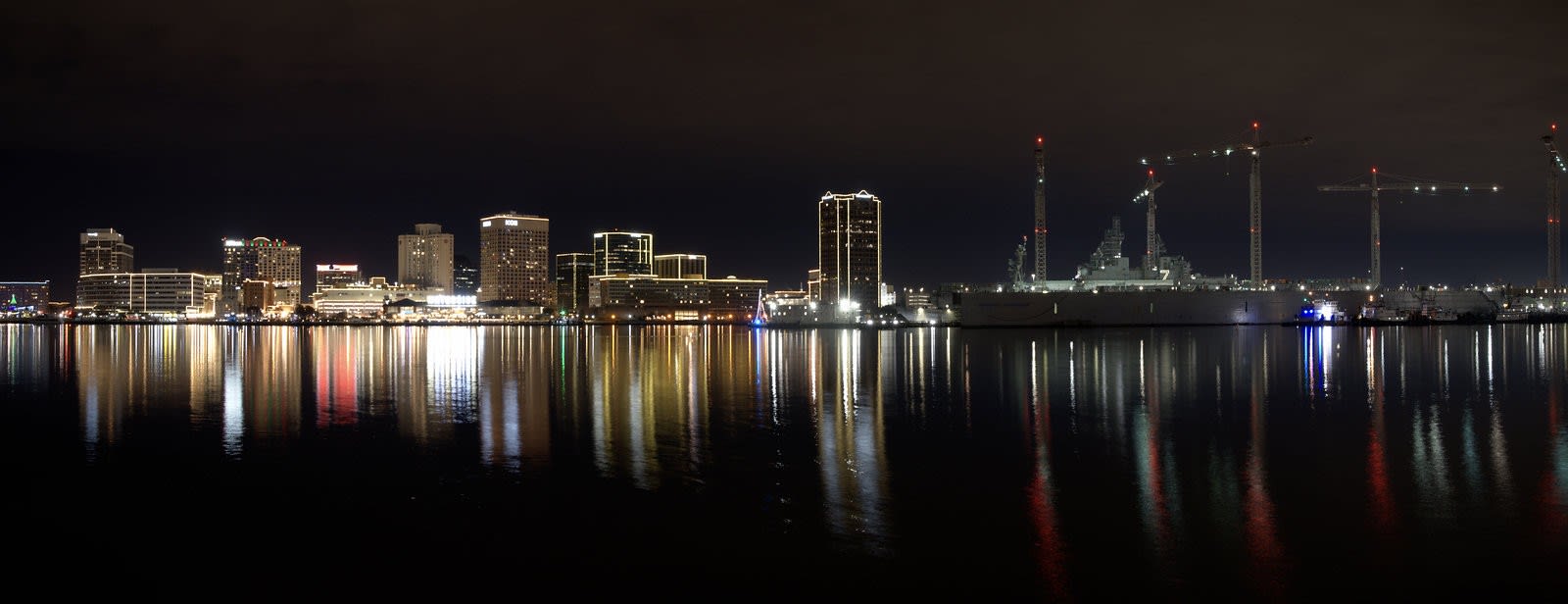
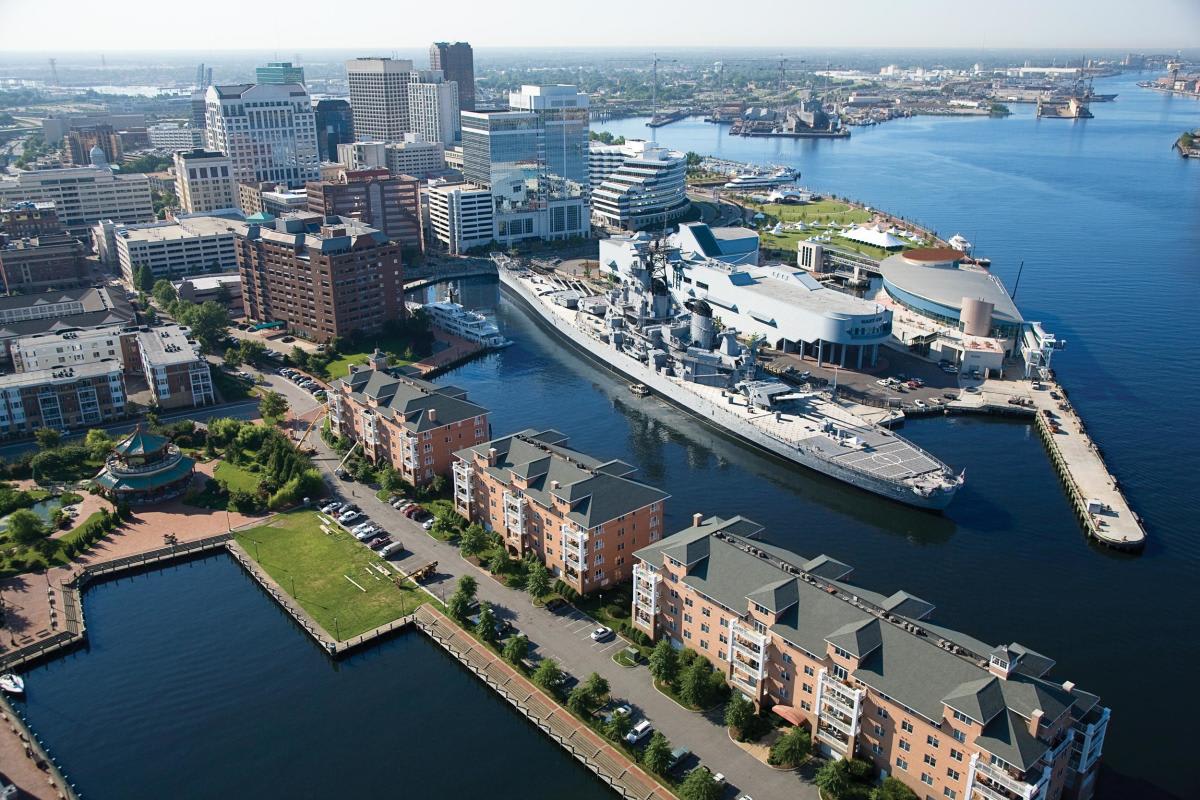
Norfolk is an independent city located in the Hampton Roads region of southeastern Virginia, commonly referred to as the Tidewater area. Positioned along the Elizabeth River and the Chesapeake Bay, Norfolk serves as a major maritime, military, and economic hub within the Commonwealth.
Key Facts:
• Founded: 1682
• Region: Hampton Roads / Tidewater
• Government Structure: Independent city (not part of a county)
• Geographic Classification: Waterfront city
• Economic Role: Port operations, military presence, healthcare, higher education
Norfolk functions as a central connector within the Hampton Roads metro area, with strong ties to surrounding cities including Virginia Beach, Chesapeake, and Portsmouth.
________________________________________
Historical & Geographic Identity
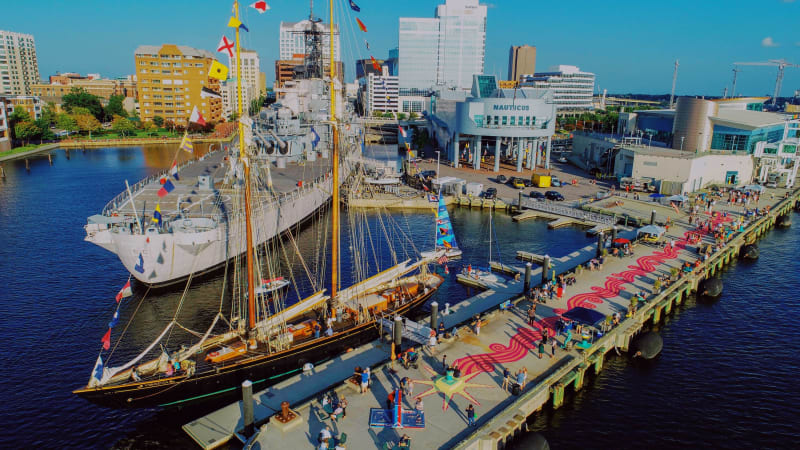
Norfolk’s origins date back to the late 17th century, with a longstanding role in shipping, naval operations, and trade. The city has developed around its waterfront access, making maritime infrastructure a defining characteristic.
Notable Elements:
• Deep-water harbor access via the Chesapeake Bay
• Historic districts recognized at the federal and state level
• Public waterfront spaces and naval-adjacent infrastructure
• Established role in U.S. naval history
________________________________________
Higher Education Institutions in Norfolk
Norfolk is home to several higher education institutions that contribute to the city’s workforce development and economic activity.
Old Dominion University (ODU)
• Type: Public research university
• Founded: 1930
• Enrollment: Publicly reported student population
• Focus Areas: Engineering, business, maritime studies, health sciences
• Athletics: NCAA Division I
Norfolk State University (NSU)
• Type: Public university
• Founded: 1935
• Focus Areas: Liberal arts, STEM, business
• Athletics: NCAA Division I
These institutions play a role in research, employment, and regional development.
________________________________________
Military Installations & Government Presence
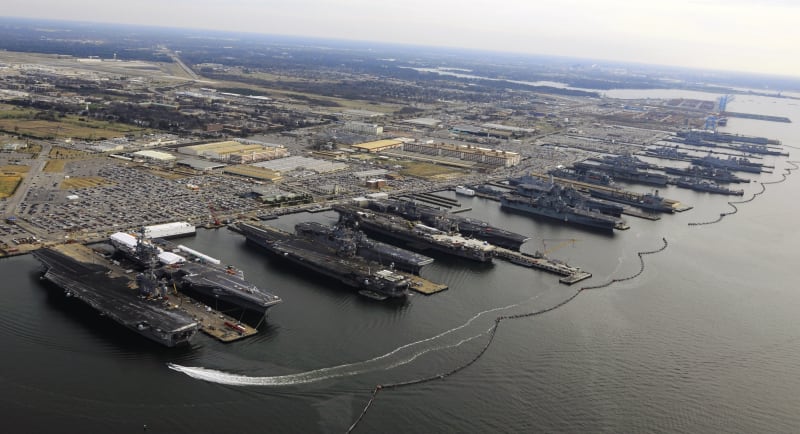
Norfolk is globally recognized for its military footprint.
Naval Station Norfolk
• Branch: United States Navy
• Status: Largest naval base in the world
• Mission: Fleet readiness, training, logistics
• Regional Impact: Significant contributor to local economy and employment
Additional installations in the surrounding Hampton Roads area further support the region’s military infrastructure.
________________________________________
Major Employers & Economic Drivers
Norfolk’s economy is supported by a mix of public and private sector employers.
Key Sectors:
• Defense and military
• Maritime and port logistics
• Healthcare systems
• Higher education
• Government services
Port of Virginia
• Major East Coast port
• Supports international trade and shipping
• Critical infrastructure for regional commerce
________________________________________
Events, Festivals & Civic Life

Norfolk hosts a variety of annual events and public gatherings.
Examples Include:
• Harbor-focused festivals
• Cultural and arts events
• Holiday parades and seasonal celebrations
• Food and beverage festivals
Event details such as attendance and scheduling vary annually.
Information not verified. Buyer to conduct independent due diligence.
________________________________________
Utilities & Infrastructure
Residents in Norfolk rely on established municipal and regional systems.
Core Services Include:
• Electricity providers serving the region
• Municipal water and sewer systems
• Natural gas service providers
• Waste management services
• Broadband and telecommunications providers
________________________________________
Transportation & Connectivity
Norfolk offers multiple transportation options connecting residents throughout the region and beyond.
Infrastructure Includes:
• Interstate highway access (I-64, I-264, and regional connectors)
• Public transit via bus and light rail systems
• Passenger rail service
• Port operations via the Port of Virginia
• Regional airport access via Norfolk International Airport
________________________________________
Real Estate Overview
Norfolk features a range of housing types and development patterns.
General Housing Characteristics:
• Historic homes and established neighborhoods
• Waterfront properties (where applicable)
• Urban and mixed-use developments
• New construction and redevelopment areas
Compliance Notice:
Market conditions fluctuate. Buyers should consult a licensed Virginia real estate professional for current data.
________________________________________
Unique Civic Characteristics

• Independent city governance structure
• Recognized historic preservation districts
• Waterfront-based planning and development
• Arts and cultural districts
• Strategic economic zones tied to port and military activity